What a Miami room actually asks for
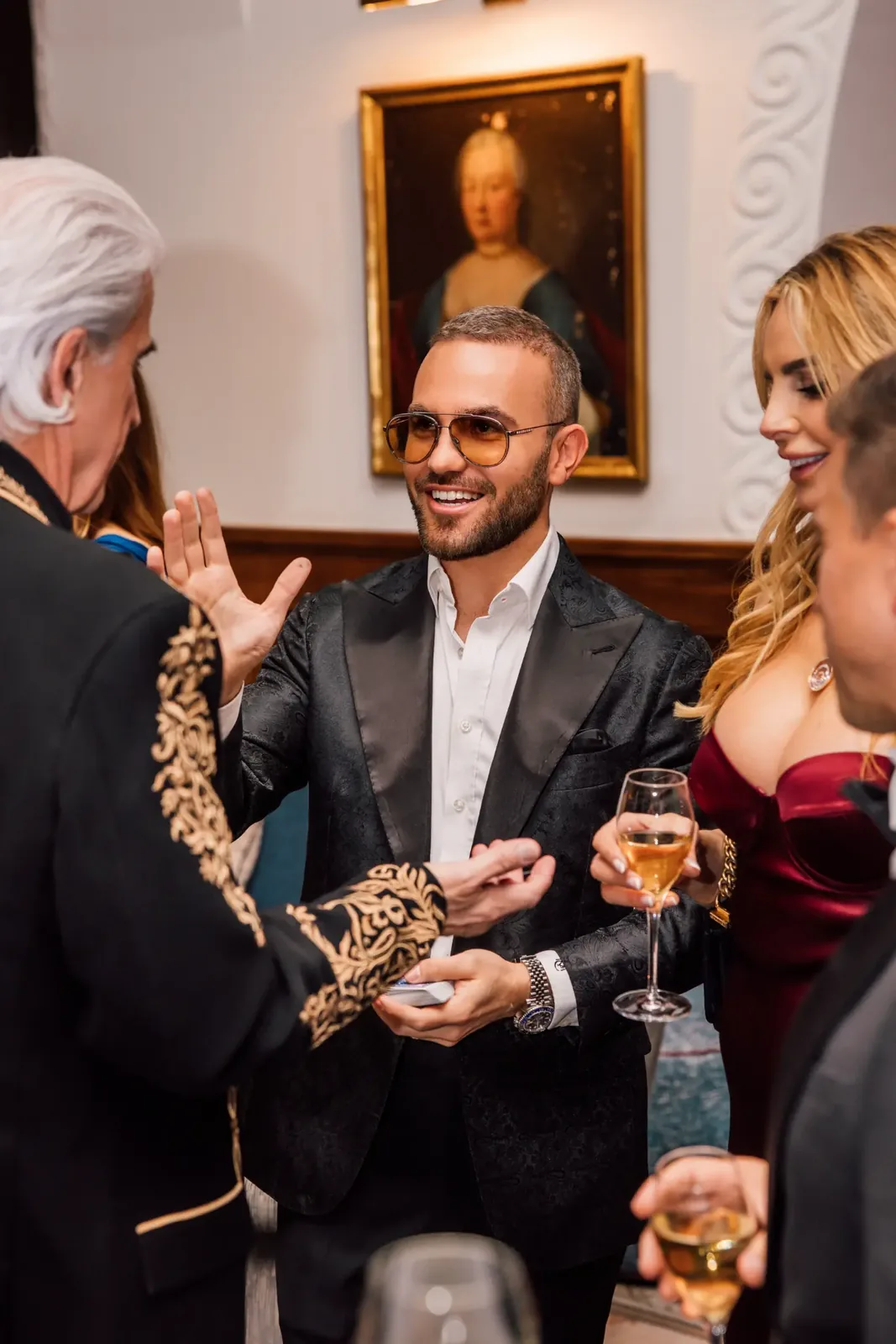
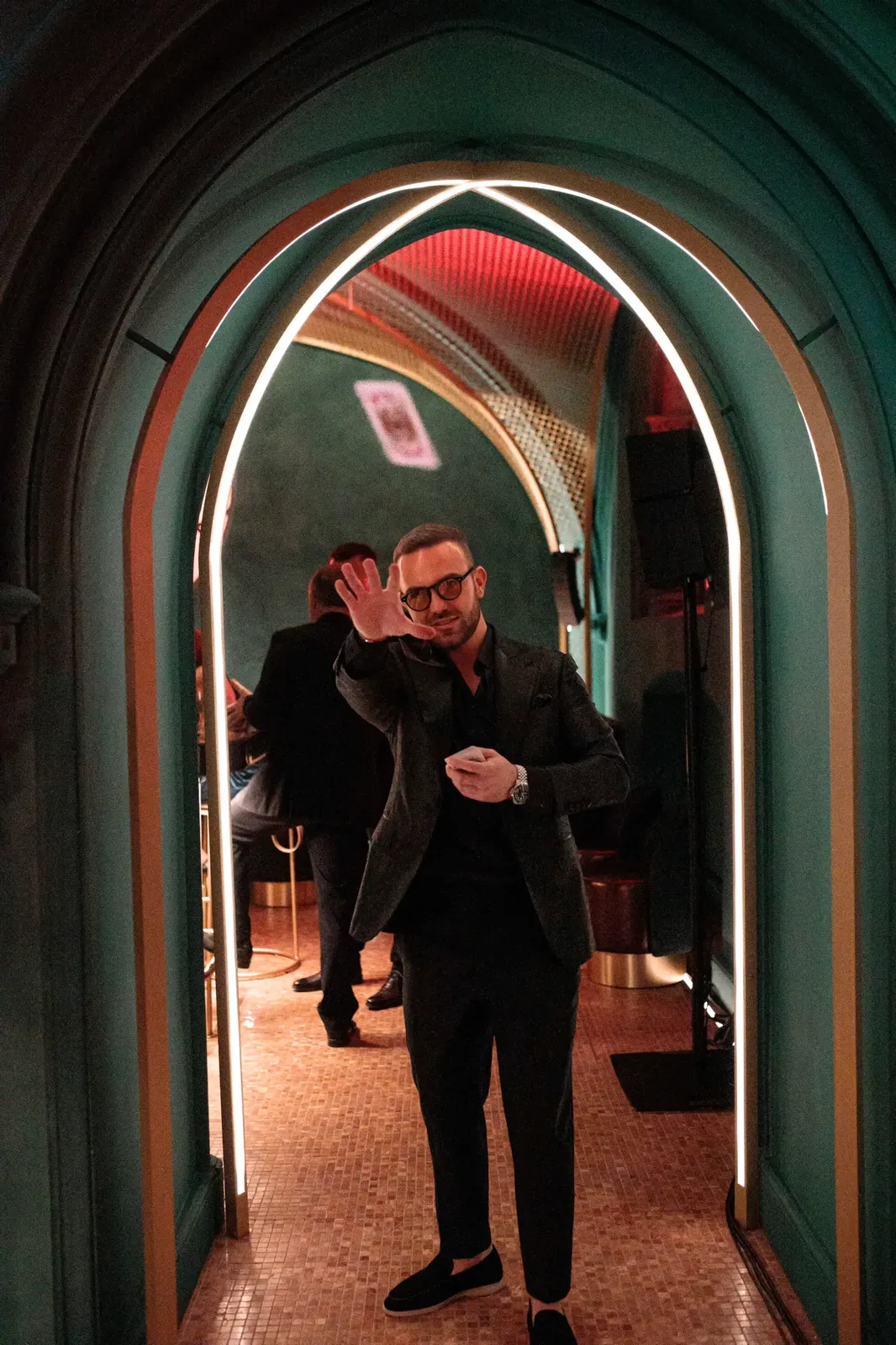
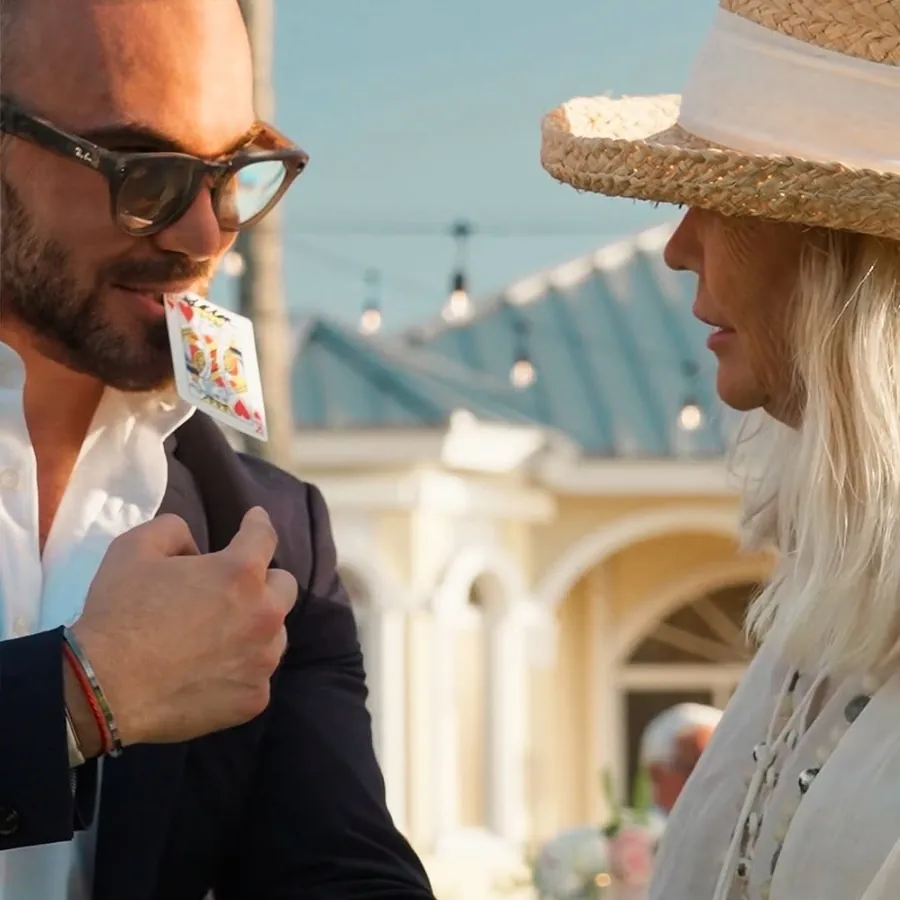
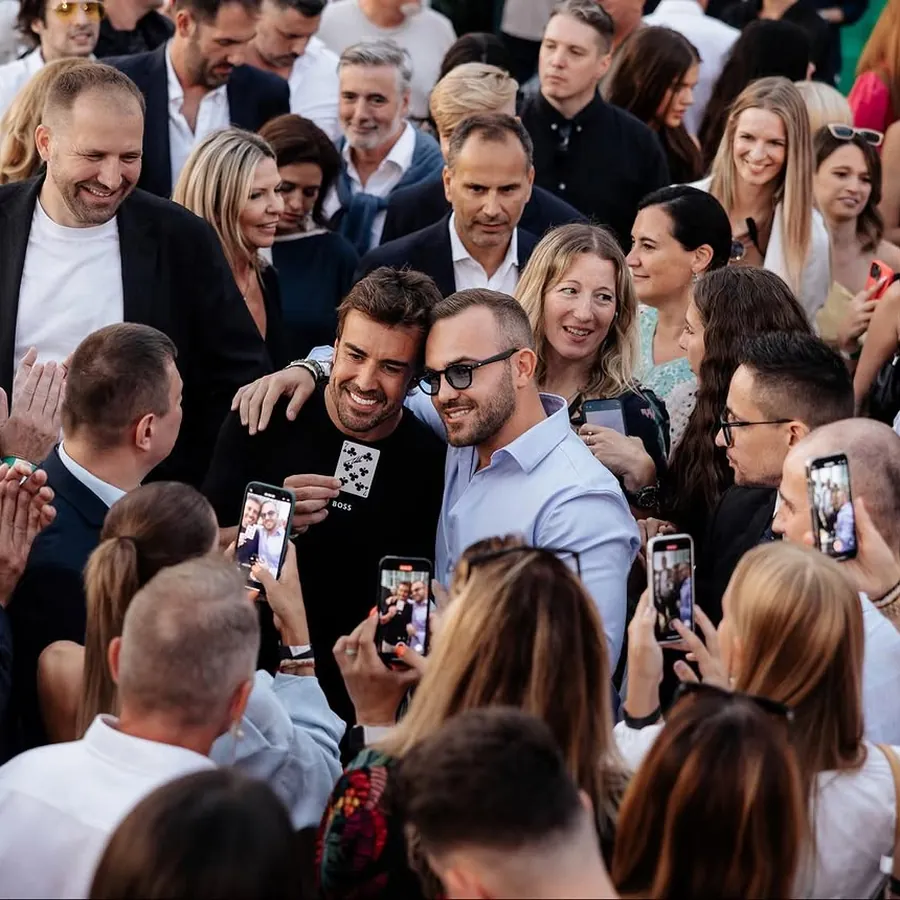
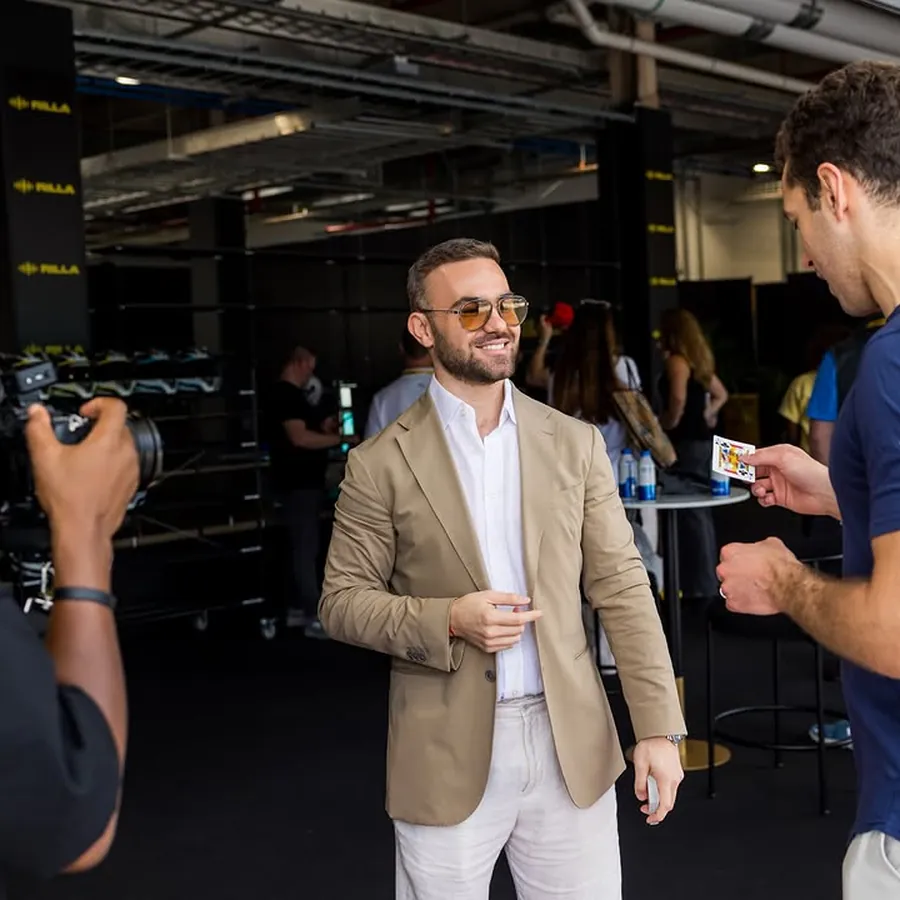
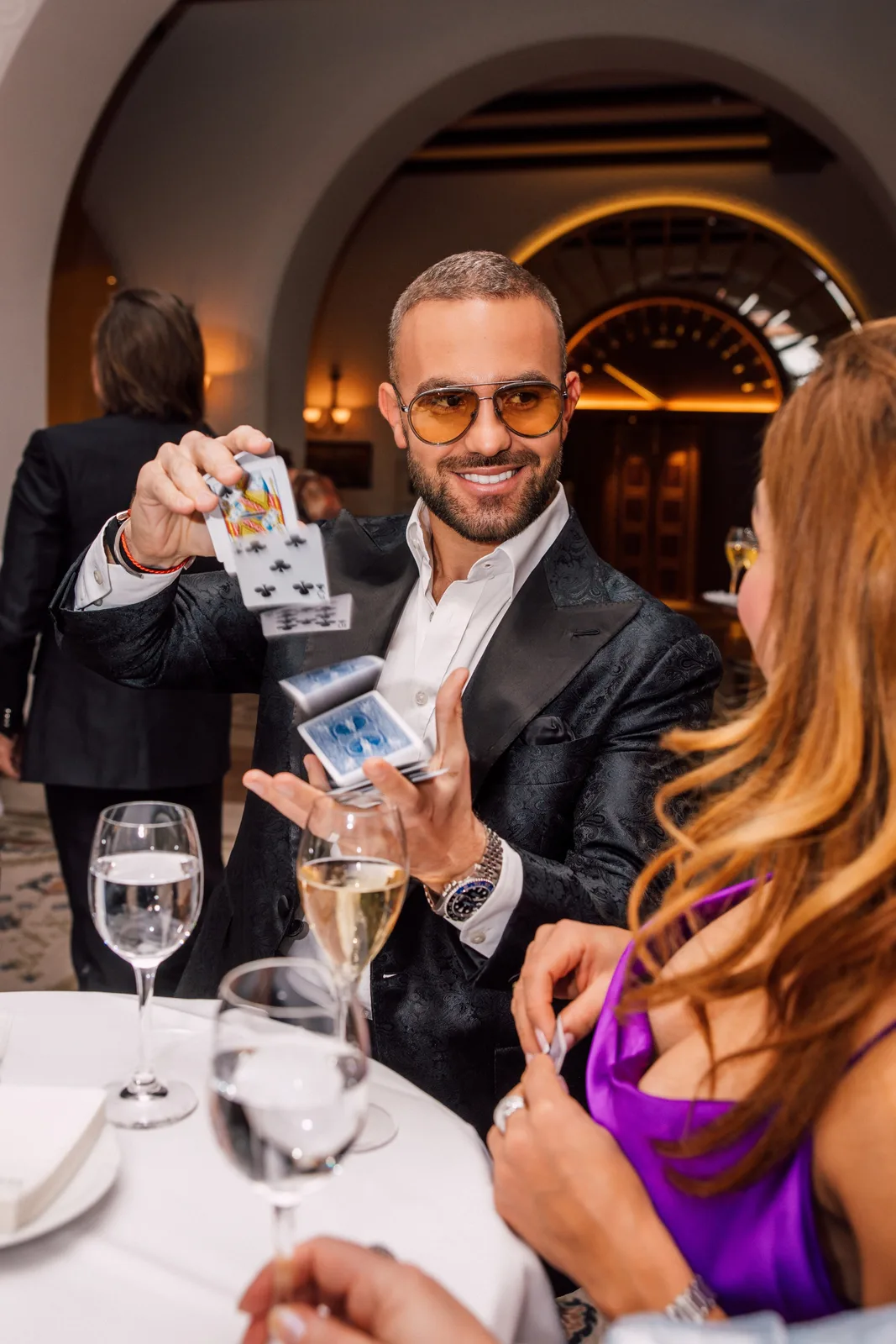
Miami rooms are loud, late and visually competitive. A restaurant on the river at eleven on a Saturday is not a theatre, and a performance built for a seated audience does not survive it. Close-up magic does, because it does not need quiet — it needs proximity, and the guest holding the card is eighteen inches away.
Three seasons of tableside work at Kiki on the River is the reason this page exists rather than being an assertion about a market. Several nights a week, table after table, in a room that never stops moving — that is a very specific apprenticeship, and it is not the same skill as performing a booked set for a quiet audience.
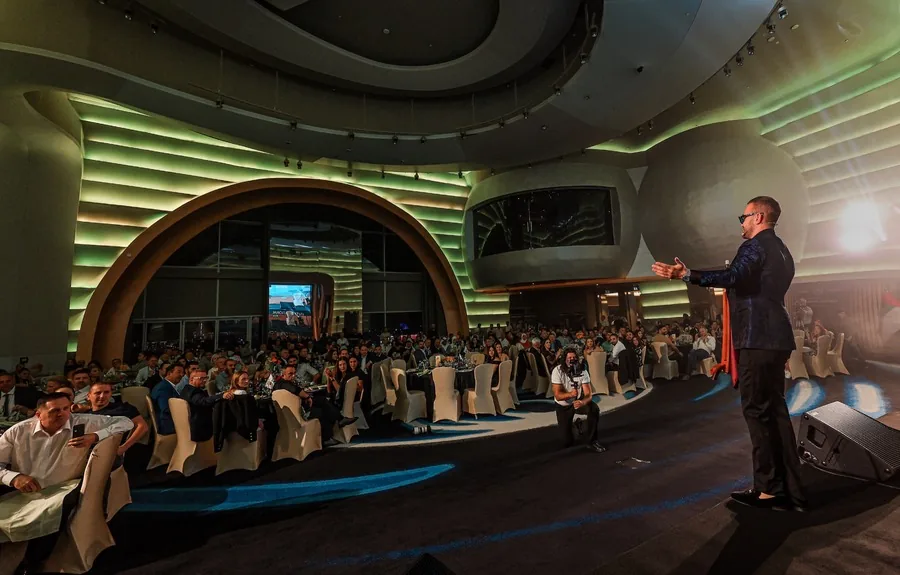
The practical version for a planner: no stage, no microphone, no soundcheck, no changeover, no load-in. On a rooftop, a boat, a restaurant's private room or a Brickell office floor cleared for the evening, the requirements are identical, which is to say none.
Miami's other structural feature is the guest list. Rooms here are frequently trilingual and frequently international. Matteo performs in English, Italian and Hungarian, which does not cover Spanish — worth saying plainly — but does mean an international table is not left watching.