The Miami corporate problem
Companies bring events to Miami precisely because the setting does half the job. The rooftop, the water, the weather in February — none of that needs help. What it does not solve is the part every organiser actually worries about: a room of delegates who flew in that morning, know two people each, and are standing in a widening circle around the bar.
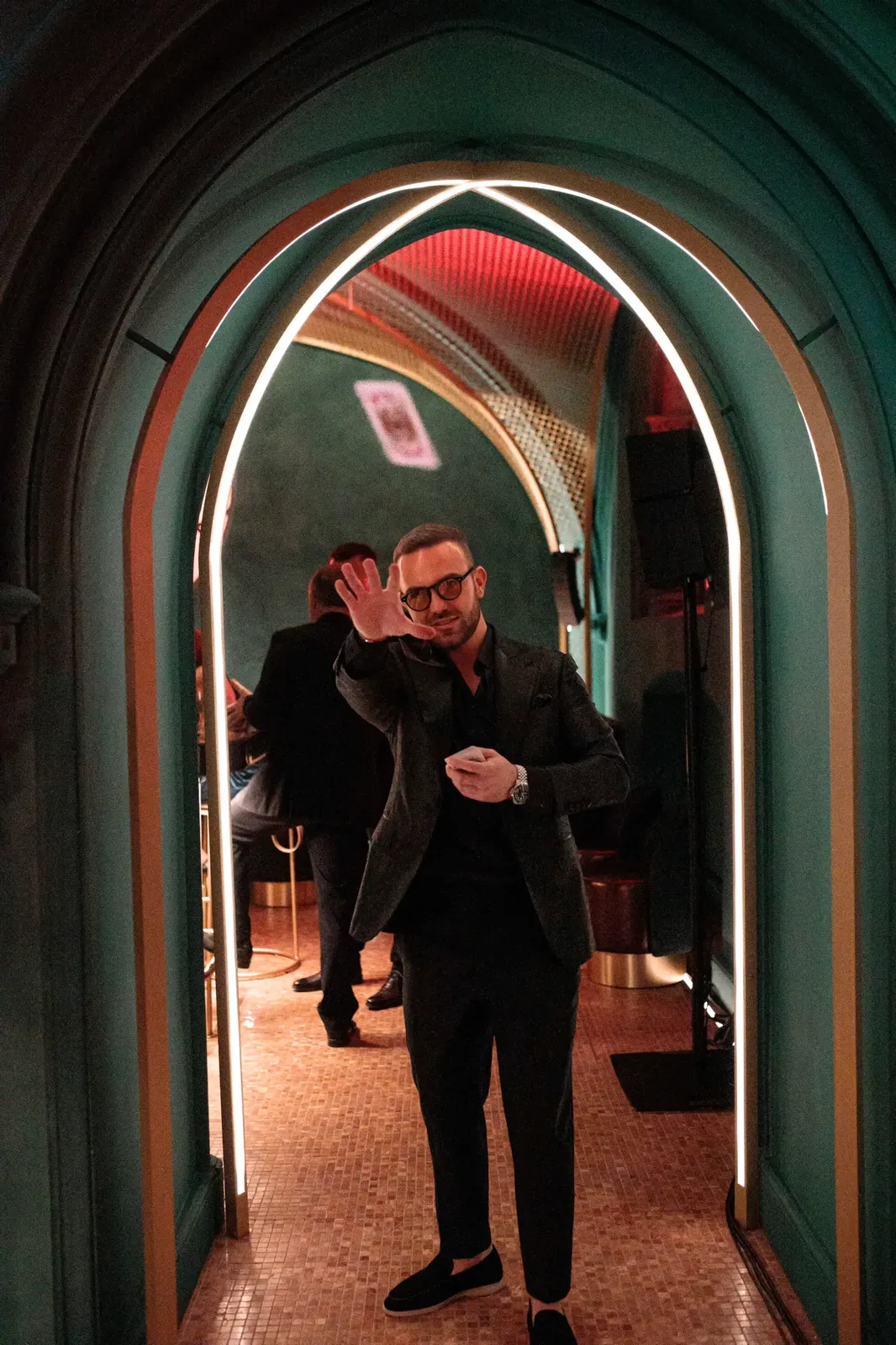
That first hour is where entertainment earns its place here, and it is also the hour with no programme in it. A performer moving through an arrivals crowd turns a group of six into a group of nine, and three of those nine came from a different office.
The second slot is the client evening — smaller, higher stakes, and with the specific dynamic that everyone in the room knows they are being sold to. Something genuinely surprising resets that, and gives the account team something to talk about that is not the account.
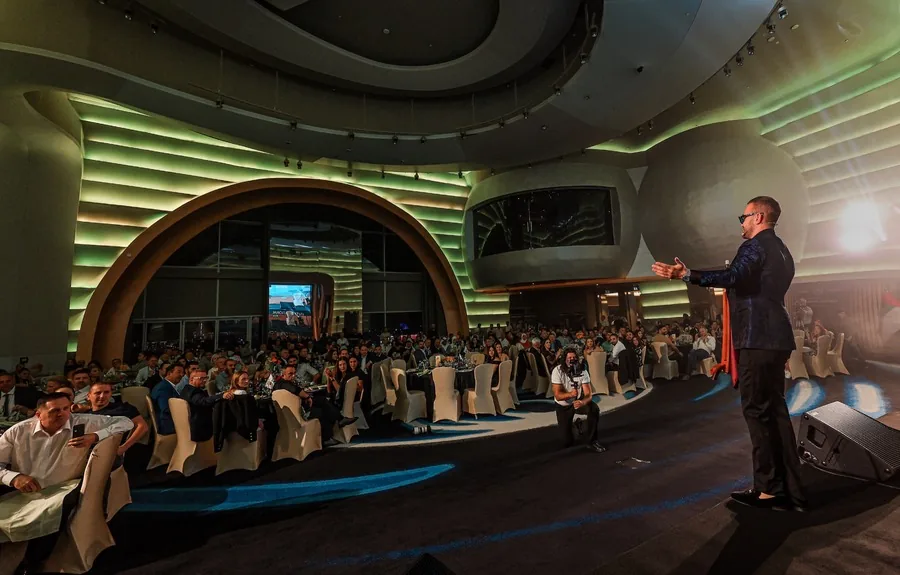
Most planners reach this page with a shortlist rather than a booking, and the useful question is not which format is best but which one the evening actually has room for. Entertainment that works at conversational distance needs no stage, no sound system and no slot in the running order, which is why it tends to survive the version of the schedule that gets cut. The other formats on the shortlist each come with a requirement: a band needs a stage, a sound system and a slot in the running order; a DJ needs the room to be past its formal part; an emcee needs something to host.
Miami's calendar also has its own shape. Art week, boat show, F1 race week and the January-to-April corporate season all compress demand into specific weeks, which is the honest argument for asking about a date early rather than a sales tactic.