Why New York is the difficult room
New York has the deepest close-up magic culture in the United States. There are rooms in this city built specifically for it, performers who have worked the same twenty tables for a decade, and an audience that has genuinely seen good work before. That is unusual — in most markets the audience is comparing you to nothing.
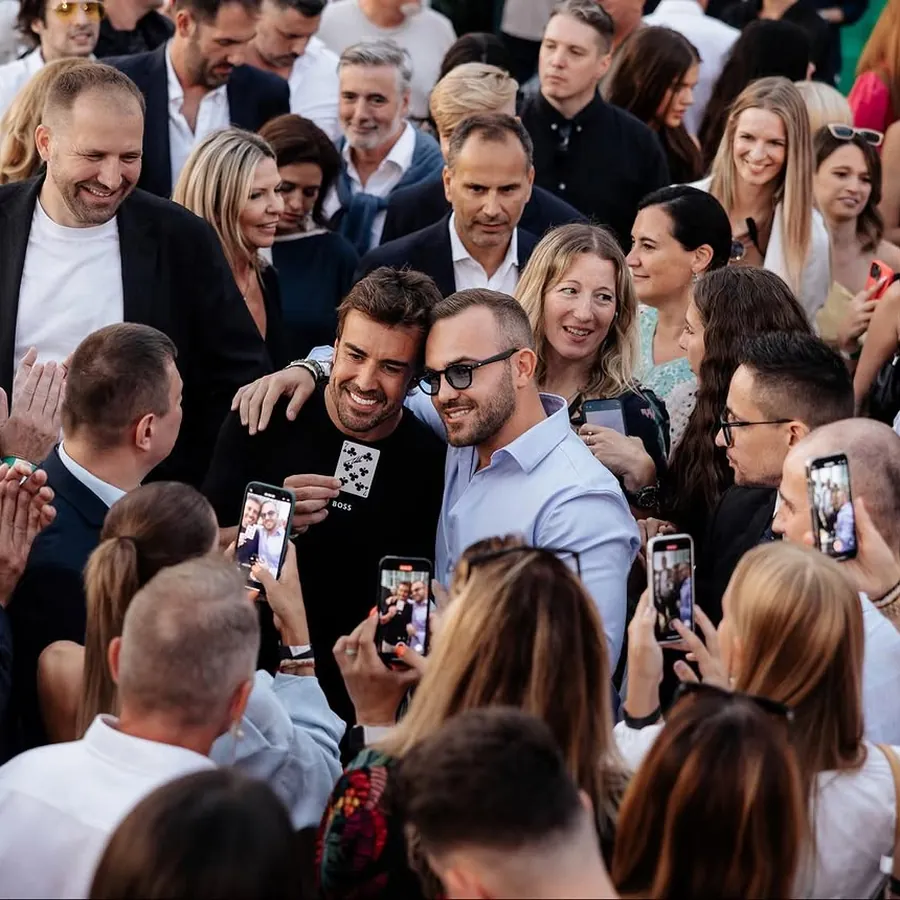
The practical consequence is that material does not carry the evening here. What does is the reading of the room: which group wants to be astonished and which wants to be charmed, which guest should hold the card and which should absolutely not be singled out, when a table is mid-conversation and should be left alone.
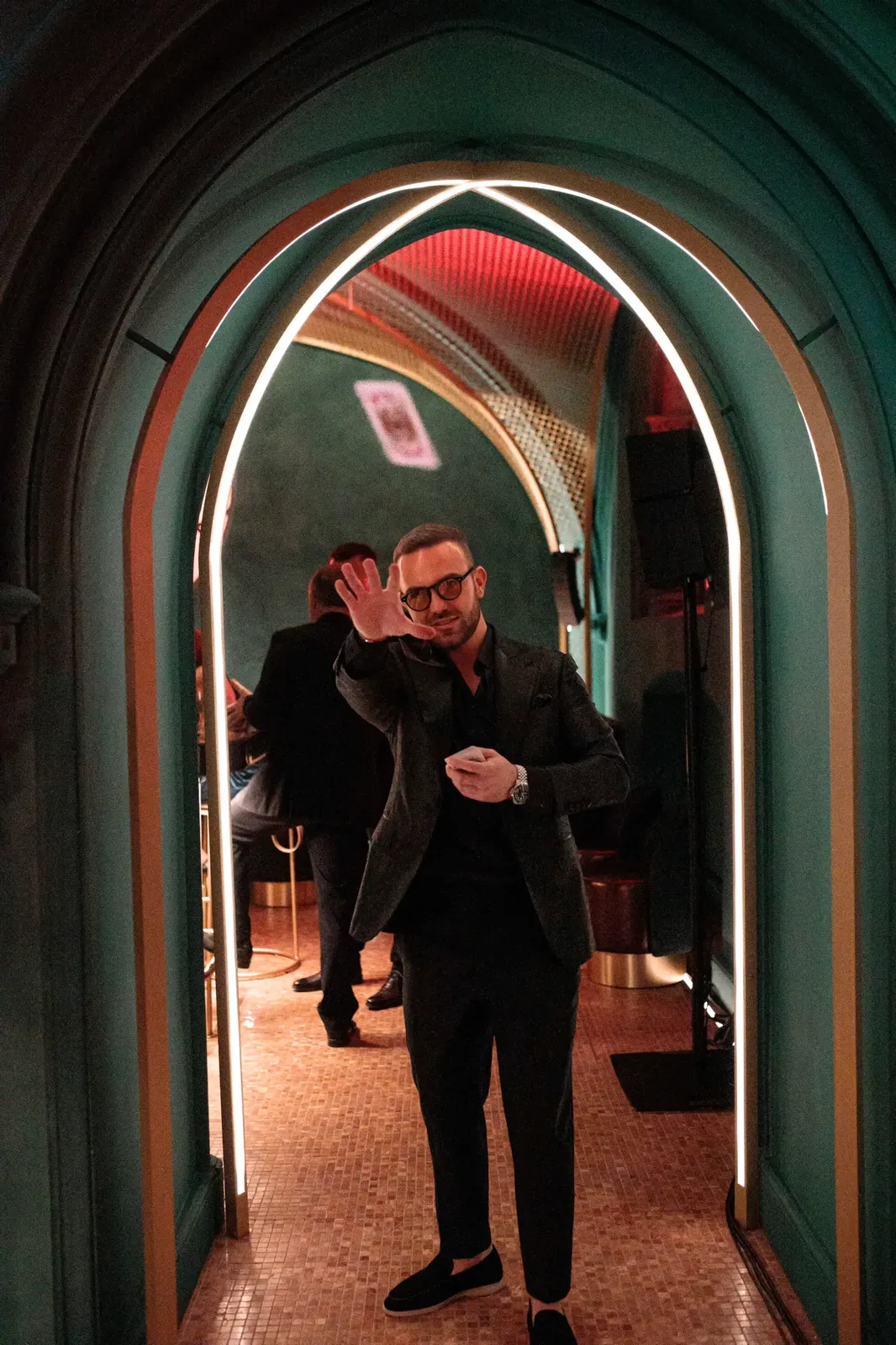
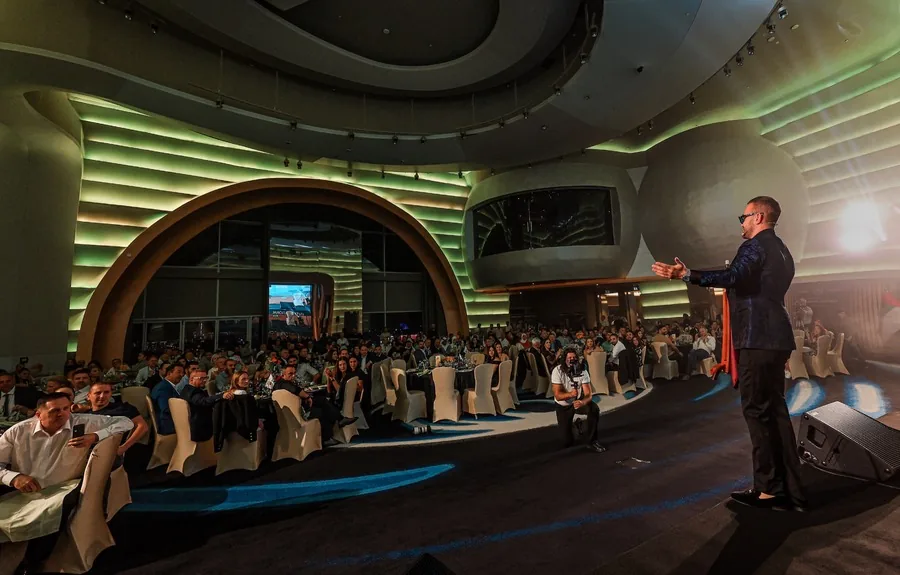
The second New York reality is the space. Events happen in rooms that were not designed for entertainment — a loft, a rooftop, a gallery, a restaurant's back room, an office floor cleared at six. There is no stage, no sightline and frequently no sensible place to stand. Close-up magic does not need any of them.
The third is timing. New York evenings run on a hard clock, guests arrive across a ninety-minute window and leave when they said they would. A format that reaches people as they arrive is worth more than one that requires everyone to already be in the room.